How Green Energy Innovations from Biogas Are Powering the Future of Online Crypto Casinos in the UK
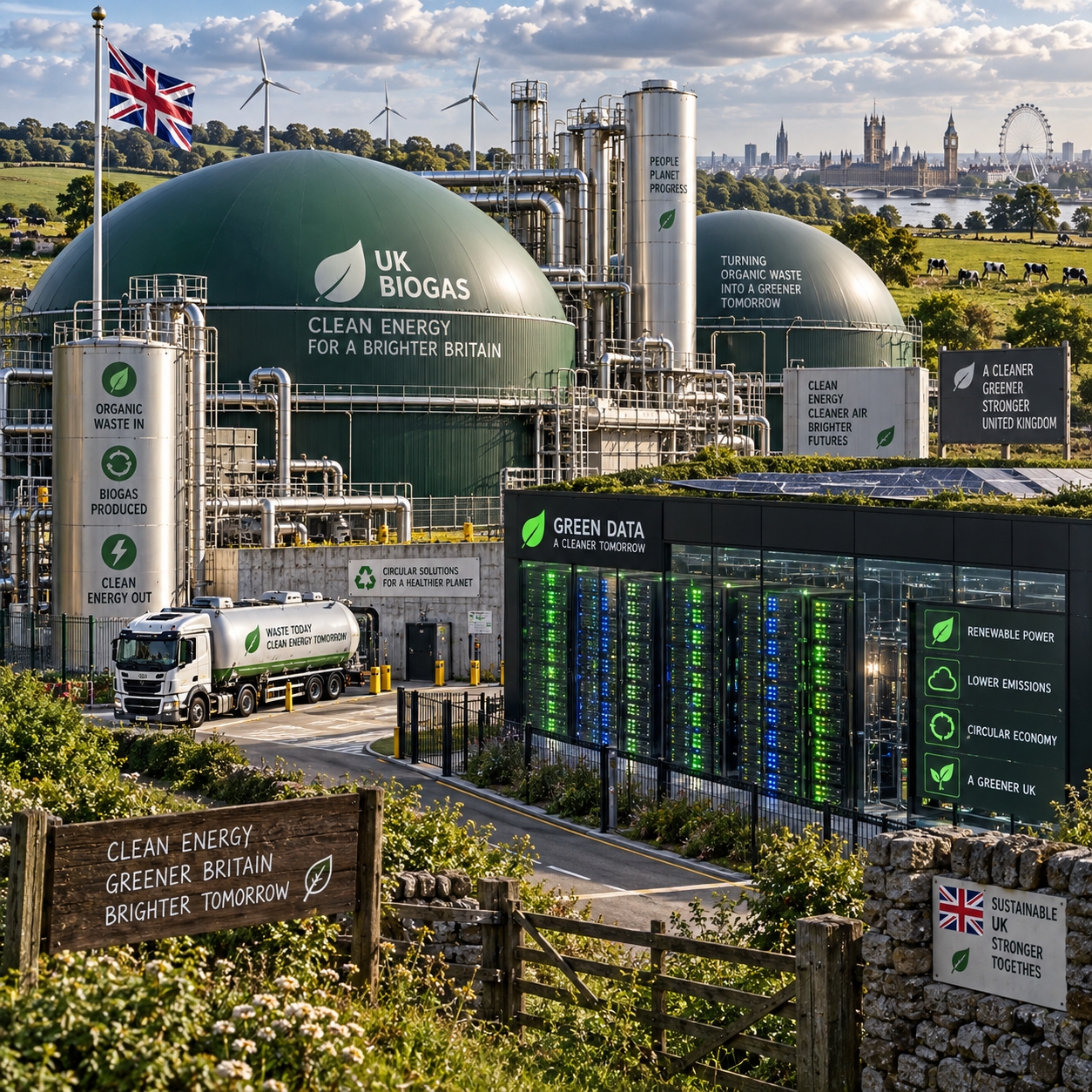
I've spent a fair amount of time researching how digital industries are quietly reshaping their environmental footprint, and few sectors have surprised me as much as online gambling. The UK's crypto casino scene has exploded in popularity over the past few years, but with that growth comes a question that operators can no longer sidestep: where is all this electricity coming from? As blockchain transactions, live streaming, and round-the-clock servers gobble up power, biogas has quietly emerged as one of the more compelling answers. It's not flashy like solar panels or wind turbines, but it might be exactly what this industry needs.
The Rising Energy Demand of Online Crypto Casinos
Every spin, every live dealer session, every crypto wager processed on a UK gaming platform draws on a surprisingly complex energy chain. Servers need to run continuously, cooling systems must stay active, and blockchain networks require validation power that scales with transaction volume. Regulators in the UK have started paying closer attention to this, partly because the gambling sector has historically flown under the radar when it comes to sustainability audits compared to, say, manufacturing or transport.
What's changed is public awareness. Players increasingly want to know that the platforms they use aren't contributing disproportionately to carbon emissions, and that pressure is trickling upward to operators and their infrastructure partners.
Why Crypto Transactions Are Energy-Intensive
Not all cryptocurrencies are created equal when it comes to energy use. Proof-of-work systems, like the original Bitcoin protocol, require massive computational effort to validate transactions, which translates directly into electricity consumption. Proof-of-stake alternatives are far lighter, but many crypto casinos still support a mix of tokens, meaning their overall carbon footprint depends heavily on which currencies dominate transaction volume. This mixed reality is part of why the conversation around sustainable infrastructure has become unavoidable.
What Is Biogas and How Does It Work?
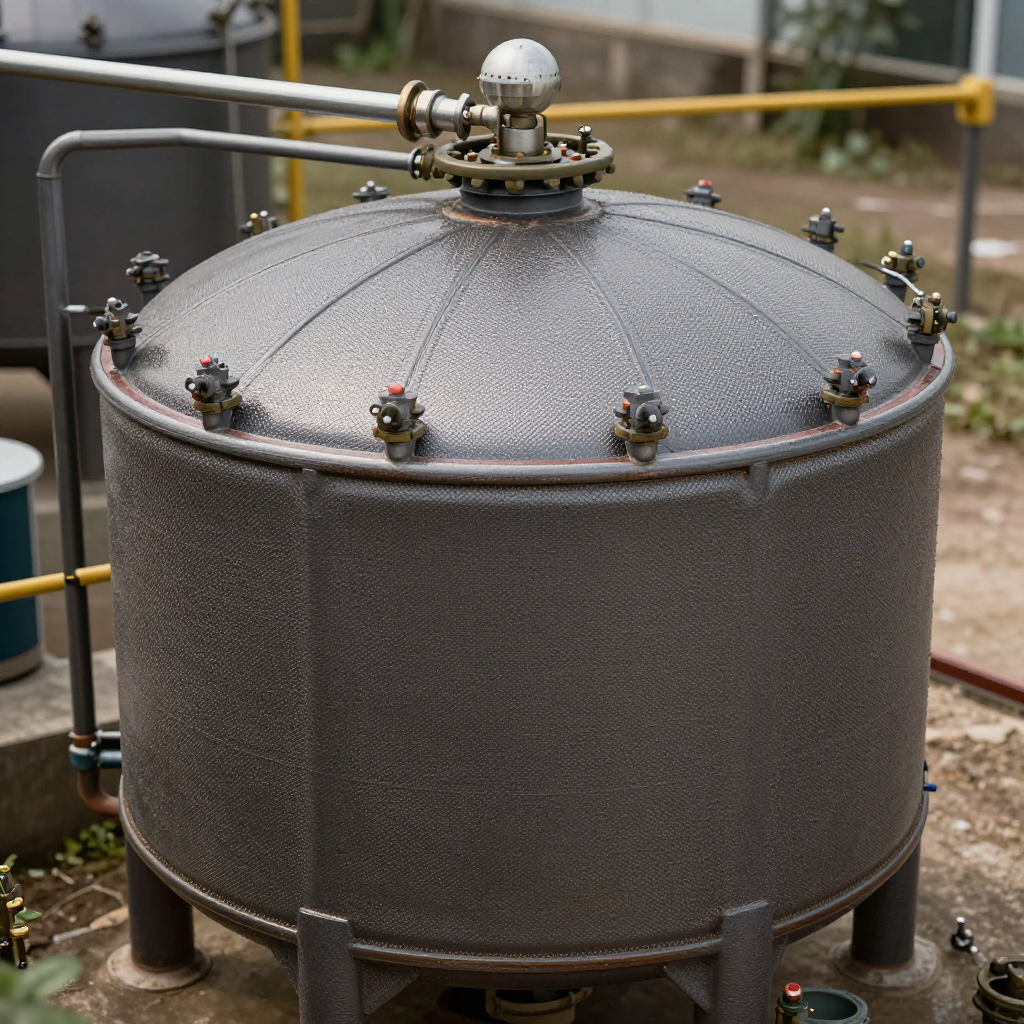
Biogas is essentially nature's recycling system turned into an energy source. It's produced when organic waste—think food scraps, agricultural residue, or even sewage—breaks down in an oxygen-free environment through a process called anaerobic digestion. The result is methane-rich gas that can be captured and converted into electricity or heat. Feedstock goes into a digester, microorganisms do the heavy lifting, and what comes out is a usable, renewable fuel that would otherwise have been waste rotting in a landfill.
Biogas vs. Traditional Renewable Sources
Solar and wind get most of the headlines, but they share a common weakness: intermittency. No sun, no solar power. Calm skies, no wind power. Biogas doesn't have that problem. It can be produced and stored consistently, making it a more reliable baseload option for data centers that simply cannot afford downtime. For platforms hosting continuous gaming operations, that reliability matters enormously.
Biogas Innovations Fueling Data Centers and Digital Infrastructure
What excites me most about this space is the shift toward decentralized, small-scale biogas projects. Rather than relying on one massive plant, some UK regions are experimenting with localized digesters that feed directly into nearby data center grids. This reduces transmission losses and creates a more resilient energy supply chain.
Organizations like casino crypto platforms are increasingly looking toward are pioneering micro-scale biogas solutions that demonstrate exactly this kind of localized innovation. By capturing methane from farm waste or municipal organic matter on a smaller footprint, these projects show how gaming infrastructure could gradually reduce its dependence on fossil fuels without needing a complete overhaul of the national grid.
Benefits of Green Energy Adoption for UK Crypto Casinos
Switching toward biogas-powered infrastructure isn't just about ticking an environmental box. There are tangible advantages worth considering:
- Reduced carbon footprint that appeals to environmentally conscious players
- Improved brand reputation in a market where trust and ethics increasingly influence customer loyalty
- Better alignment with UK sustainability targets and net-zero commitments
- Long-term cost stability, since biogas production can be less volatile than fossil fuel markets
Meeting UK Environmental Regulations
The UK government has been steadily tightening expectations around corporate carbon reporting, and gambling operators are not exempt. As net-zero deadlines approach, platforms that host their servers on renewable-powered infrastructure—biogas included—will find themselves better positioned to demonstrate compliance without scrambling at the last minute.
Challenges and Barriers to Biogas Adoption in the Gaming Sector
I won't pretend this transition is simple. Building biogas infrastructure requires significant upfront investment, and feedstock availability can vary regionally, which limits scalability in some areas. There's also the matter of connecting decentralized biogas output to the kind of high-capacity grids that data centers demand. Without stronger policy incentives and clearer subsidy frameworks, many operators may be hesitant to commit resources toward this kind of green energy transition, even if the long-term benefits are clear.
The Future Outlook—Sustainable Crypto Casinos in the UK
Looking ahead, I think the combination of biogas innovation and ongoing improvements in blockchain efficiency could genuinely reshape what a 'green casino' looks like by 2026 and beyond. We're already seeing early conversations between energy innovators and gaming operators about pilot partnerships, and I expect that momentum to build as regulatory pressure and consumer demand continue pushing in the same direction. It won't happen overnight, but the pieces are falling into place.
The relationship between biogas innovation and the evolving demands of UK crypto casinos feels like more than a passing trend to me—it's a genuine shift in how digital industries think about their environmental responsibilities. Sustainable energy isn't just a nice-to-have anymore; for operators willing to invest early, it's becoming a real competitive edge in an increasingly crowded and scrutinized market.